Discus
Weight is set by your athlete's division, but the number that actually separates one competition discus from another is rim weight — and buying the highest one available is usually the wrong call for a high school thrower. Every discus below comes in all competition weights; pick yours on the product page.
Filter & sort
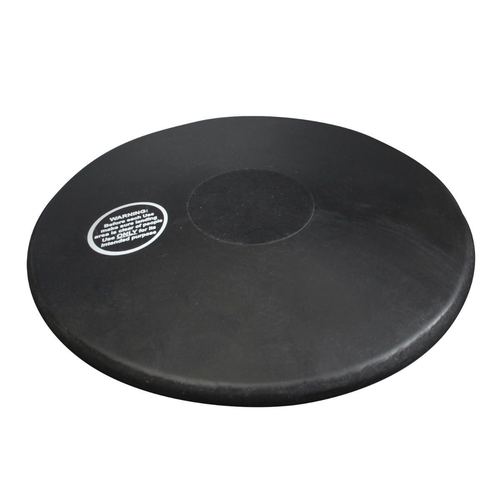
Gill Rubber Discus
1 kg · 1.6 kg · 2 kg
Solid rubber. Safe on gym floors and hands, cheap enough to buy in quantity for daily reps. Meets NFHS specs.
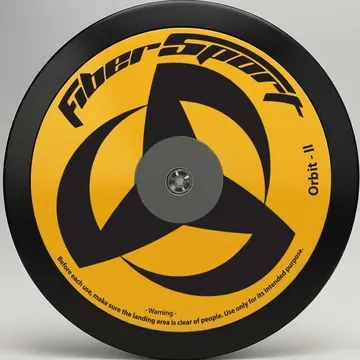
FiberSport ORBIT-II Discus
1.0kg · 1.5kg · 1.6kg · 2.0kg
FiberSport ORBIT — 78% rim weight, low-to-mid spin and forgiving of an imperfect release. The right discus while technique is still developing. Carry bag included.
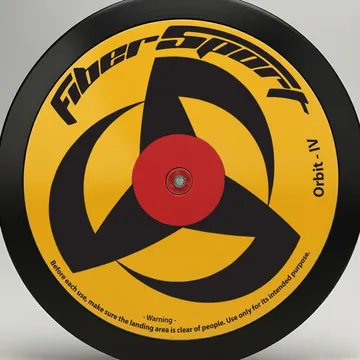 Featured
 FiberSport ORBIT-IV Discus
1.0kg · 1.5kg · 1.6kg · 2.0kg
FiberSport ORBIT — 78% rim weight, low-to-mid spin and forgiving of an imperfect release. The right discus while technique is still developing. Carry bag included.
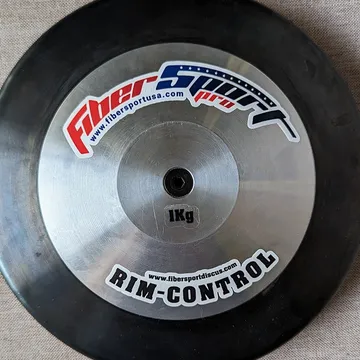
FiberSport Pro Platinum Plated Discus
1.0kg · 1.6kg · 2.0kg
FiberSport Pro Platinum — 83–86.5% rim weight with Dynamic Rim Control. Maximum distance for throwers who can already generate real spin.
Bags & Cases
Carry and protect what you just bought
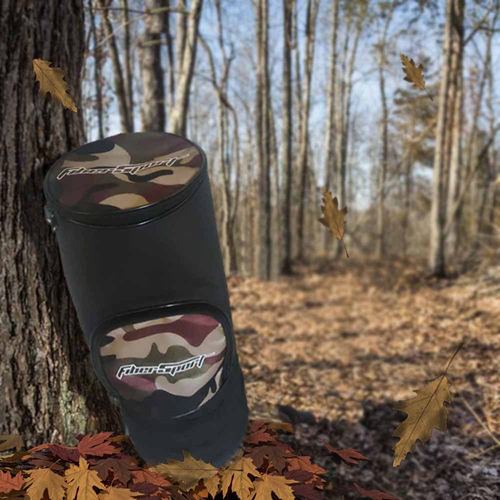
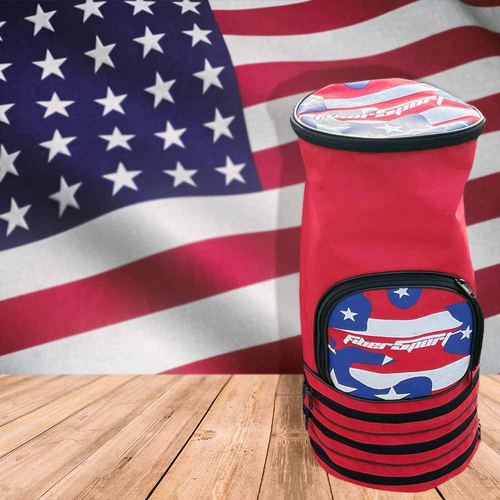
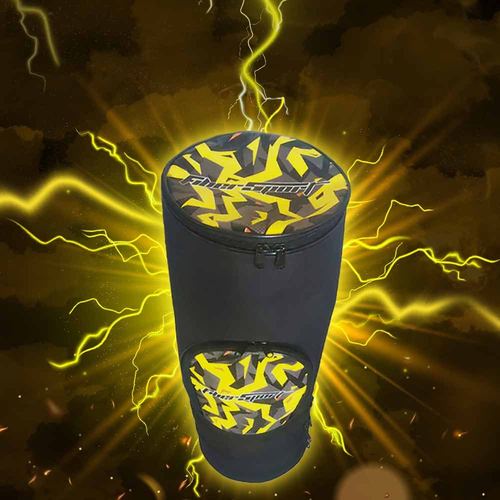
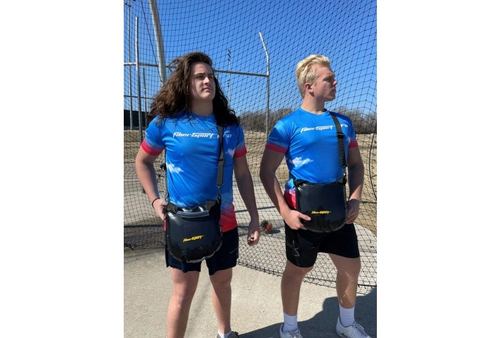
Discus kit bags carry three implements plus shoes and accessories, so an athlete brings everything to a meet in one trip.
Outfitting a throws group?
Most programs want rubber discus in quantity for daily practice plus a handful of competition implements across the rim weights their throwers are ready for. Tell us your roster and we'll build the set — school purchase orders welcome.
Discus Weights by Level
| Level | Weight | Imperial | Notes |
|---|---|---|---|
| High School Girls & College Women | 1 kg | 2.2 lb | The competition weight for high school girls and NCAA women — one implement carries an athlete from high school into college. |
| High School Boys | 1.6 kg | 3.5 lb | The NFHS competition weight for high school boys. Athletes move up to 2 kg in college, which is a significant jump. |
| College & Open Men | 2 kg | 4.4 lb | NCAA and USATF open men. Worth having a few in a high school program so seniors can start adapting before college. |
Weights follow NFHS and NCAA standards. Middle school and youth divisions vary by association — ask Coach Dopp if you're unsure.
Rim Weight, and Why More Isn't Better
Rim weight percentage is how much of the discus's total weight sits in the outer rim instead of the center plates. Two discs can both be legal 1.6 kg implements and throw completely differently because of it.
More rim weight means more momentum once it's spinning. That's real distance — but only if the athlete can generate the rotational speed to exploit it, and only if their release is clean. A high-rim discus amplifies a good throw and badly punishes a bad one.
Less rim weight is more forgiving. The implement stabilizes faster and flies predictably even when the release isn't perfect, which is exactly what a developing thrower needs. That's the entire reason Gill splits the S-series and G-series.
Not sure where your athlete sits? Send Coach Dopp their marks and he'll tell you which rim weight to order.
- 58–67% — beginners and early technique work. Stable, forgiving, easy to control.
- 75–80% — solid high school throwers with a repeatable release. The sweet spot for most programs.
- 83–85% — advanced throwers generating real rotational velocity. Maximum distance, minimum forgiveness.
Buying above an athlete's level costs distance rather than adding it — the discus never gets up to speed and the flight destabilizes.
Also worth a look: we carry the FiberSport ORBIT discus line, including their Pro Black, Platinum and Kevlar plated models, as an alternative to the Gill range.