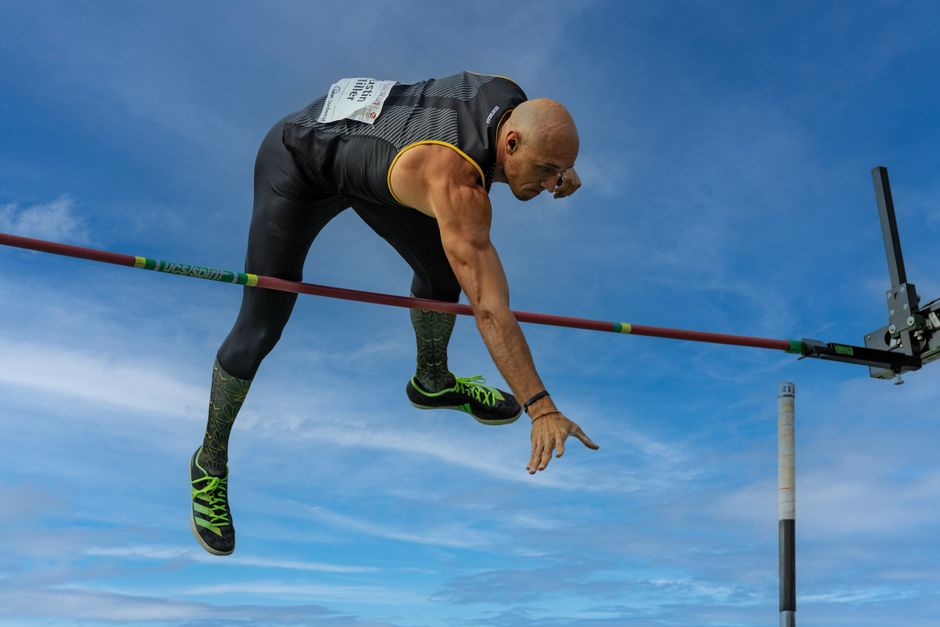
Here’s a truth most coaches will tell you: the vaulters who jump the highest aren’t always the strongest or the fastest. They’re the ones with the cleanest technique. And clean technique doesn’t show up by accident — it gets built, rep by rep, through drills. The cool thing about drills is that they let you work on one specific piece of the vault without the chaos of putting the whole thing together. You can fix your plant timing without worrying about the swing. You can groove your whip without sprinting full-speed down a runway. That’s a coach’s superpower, and it’s also yours as an athlete.
Below is a roundup of drills that show up again and again in respected pole vault coaching resources. Some you can do anywhere with a broomstick. Others need a high bar, a band, or even a swimming pool. Pick the ones that hit your weak spots and put them in your warmup or practice plan this week.
Why Drills Matter More Than You Think
The folks at Team Hoot put it really simply: “pole vault is just creating and transferring energy.” Everything else — the gym work, the running, the technique sessions — exists to serve that one job. But here’s the catch: they also point out that “there’s more than one way to pole vault.” Different bodies, different speeds, different levels — they all need slightly different solutions to the same energy problem.
That’s why drills are so useful. They isolate a phase, slow things down, and let you build motor patterns without the all-or-nothing pressure of going for height. Apex Vaulting has a full article on how to use drills during a pole vault practice for exactly this reason — drills are how you turn a coach’s verbal cue into something your body actually does at runway speed.
So let’s get into them.
Plant and Cadence Drills
The plant is where the runway meets the pole. If your timing is off here, nothing downstream works right.
12 Step Plant Walking Drill (Rick Baggett) This one’s pure rhythm. Athletes line up holding their poles and walk while the coach counts cadence — eight steps in a “one, two, three, four” pattern, then three rapid steps before the plant on the fourth step. No jumping, no fatigue, no fear. You’re just teaching your feet and arms what the end of the run-up should feel like. Drop this into your warmup and you’ll be amazed how much cleaner your last three steps get on real jumps.
Partner Plant Drill (from Karlie Place’s beginner guide) A standard short-approach drill that focuses on pole bending and takeoff timing. A partner spots and supports the pole while the vaulter works on driving the top hand up, hitting the takeoff position, and feeling the pole load. It’s a great low-stakes way to fix takeoff angle without committing to a full vault.
Jagodin Drill Another classic — also covered in Karlie Place’s beginner article — designed to drill plant mechanics and pole flex. The repetition lets you focus only on the arms and the pole’s response, separate from sprint mechanics. If your plant is collapsing or late, this drill exposes it fast.
Whip and Swing Drills
Once the pole loads, the swing is what converts that stored energy into vertical motion. This is where the magic happens — and where a lot of vaulters leak power.
High Bar Whip Drill (Rick Baggett) You’ll need a high bar for this one. The athlete hangs, swings back using the waist, then whips the left leg up to the high bar while keeping the right knee beneath it. The arms pull inward to close the body. It’s basically a vault swing without the pole — and it builds the same body shape and timing you need at the top of a real jump. Beautiful crossover into gymnastics-style core work, and it’s brutal in the best way.
Power and Extension Drills
Concept Drill (Dennis Mitchell) This one looks weird the first time you see it, and it works. The athlete sits on the ground with a resistance band wrapped from their foot to a pole behind them. They drive backward — flipping to a stomach position — extend the pole, and finish in a hollow body position. It builds the explosive extension and finish you need to top out the vault, and it teaches your body what the inverted push should feel like.
A Drill That’s Just Plain Fun
Pool Vaulting Drill (Dennis Mitchell) If your team has access to a swimming pool, this is gold. The athlete stands in shallow water, pushes off the pole, splits legs around their right arm, extends, turns, and pushes through. The water keeps things low-impact, the low-gravity environment lets you drill the inversion safely, and — let’s be real — it’s just way more fun than a Tuesday afternoon technique session in the rain. Great for off-season retention or for teaching young vaulters the basic shapes without piling reps on their joints.
Approach Run Drills
Don’t sleep on the run-up. Learntopolevault.com lists runway length optimization, takeoff precision (sometimes called “radar”), and reprogramming takeoff positioning habits among the things every serious vaulter has to drill. Karlie Place is just as direct: “the faster you are on the runway the higher you will jump.” So:
- Pole runs with no plant or jump — just rehearse the run with the pole until your stride pattern is bulletproof
- Mid-step run-throughs to mark out where your takeoff foot should land
- Sprint mechanics work without the pole, focused on posture and turnover
These aren’t flashy, but they’re the foundation everything else gets built on.
Building a Practice That Uses Drills Right
A few coach’s notes on putting these into your week:
- Don’t try to do all of them in one practice. Pick two or three that target what your athlete is actually struggling with.
- Drills early, full vaults later. Use drills in your warmup and skill block when the body is fresh and the brain can focus on detail.
- Quality over reps. Five clean Jagodin reps beat fifteen sloppy ones every time.
- Film it. A short phone clip from the side will show you in 30 seconds what you couldn’t see all practice.
Get the Right Equipment Behind the Drills
Drills sharpen your technique — but technique only translates to height when you’re vaulting on a pole that fits you. At TetonVault, we stock UST-ESSX, Gill Pacer, and FiberSport poles for every level, from beginner youth poles to elite competition models. If you’ve outgrown your current pole or you’re starting a school program from scratch, check out our pole shop or reach out to Coach Dopp — happy to talk through what makes sense for your athletes.
Now go run some plant drills. Your next PR is hiding in there somewhere.