Here’s a conversation I have at least twice a season.
An athlete is frustrated. Their run looks good. Their takeoff foot is landing where it should. They’re on the right pole. But the swing stalls out, the hips never really get up, and every jump has that same slightly-too-flat feel at the top. So we start hunting for the technical fix — grip, plant timing, pole selection, all of it.
And sometimes the answer isn’t technical at all. Sometimes the athlete physically can’t get their shoulders overhead without their ribs flaring, or their hamstrings won’t let their hips travel past their hands. You can’t coach a position an athlete doesn’t have access to.
That’s the thing about flexibility for pole vaulters: it’s not a wellness add-on you do if there’s time at the end. It’s the ceiling on your technique. Let’s talk about how to actually raise it.
Range of Motion Is a Technique Problem in Disguise
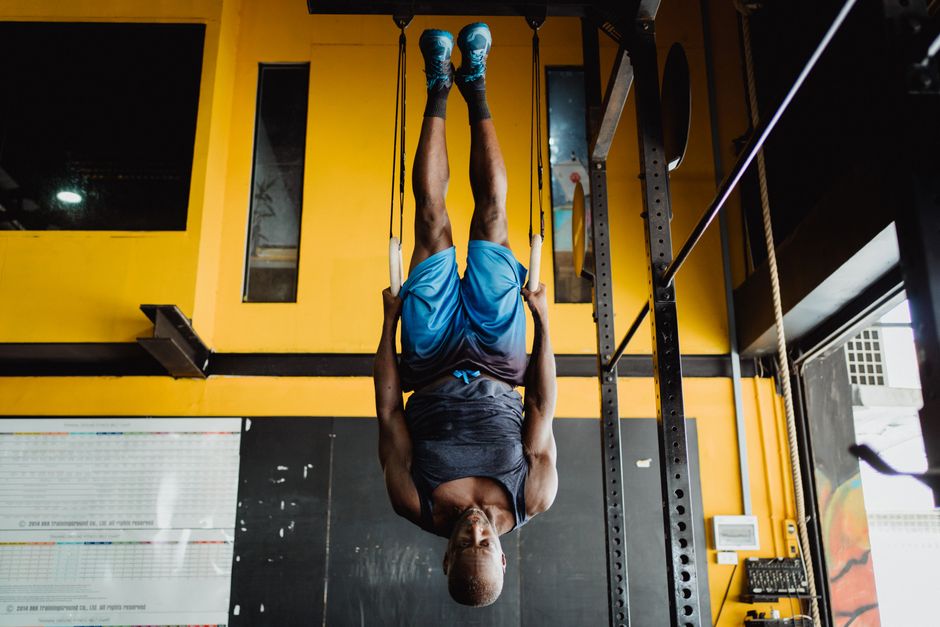
Think about what the vault actually asks your body to do. You sprint at full speed. You drive a top arm fully overhead at takeoff — and Olympian Sondre Guttormsen points out that keeping that top arm extended and strong is what creates the leverage to transfer energy into the pole. Then you swing, invert, and finish upside down with your body in a shape you don’t hit in any other part of life.
Every one of those positions has a range-of-motion requirement. If your shoulders are tight, that top arm can’t get where it needs to go, and you’ll compensate by shortening the plant. If your hips and hamstrings are locked up, the swing gets cut short. The vault doesn’t care whether the limitation is “technical” or “physical” — it just gives you a lower bar.
The team at iPoleVault put it plainly: static stretching increases flexibility and range of motion, and that range of motion is extremely important to pole vaulters. Not helpful. Important.
The good news is that this is one of the most fixable problems in the sport. It costs nothing, it takes minutes, and almost nobody does it consistently — which means it’s free separation from the field.
The Rule Most Vaulters Get Backwards
Here’s where a lot of high school programs go wrong, and it’s an easy fix.
Most athletes show up, sit down on the infield, and hold long static stretches before practice. That’s backwards. iPoleVault notes that studies have found no benefit to performing static stretching before a workout — dynamic stretching is what readies the body for exercise.
So flip the order:
| When | What | Why |
|---|---|---|
| Before practice | Dynamic — active movement through a range of motion | Raises core temperature, increases blood and oxygen flow to muscles, tendons and ligaments, and preps the body for explosive work |
| After practice | Static — held positions, 15–30 seconds | Lengthens muscles, relieves tension, helps with soreness, and builds long-term range of motion |
Same two tools. Completely different jobs. Use them in the wrong order and you’re both under-warmed and under-recovered.
Building a Dynamic Warm-Up That Fits a Vaulter
A dynamic warm-up isn’t a jog and a couple of arm circles. iPoleVault recommends starting with light aerobic work — a light jog for 5 to 10 minutes — to ease the body from a resting state into a working state. That’s the on-ramp, not the warm-up itself.
Then move into active work. A few that earn their place for vaulters:
- High knees. Run or skip them, stay on the balls of your feet, drive one knee as high as possible and land softly. This engages the abs and hip flexors, and the exaggerated movement develops power at push-off and a higher knee lift in your approach — which is exactly what your run needs.
- Toe walks and heel walks. They look ridiculous. Do them anyway. Toe walking emphasizes the calves and all the small muscles of the feet; heel walking targets the shins and can help with the shin splints vaulters so often pick up.
- Side leg swings. Stand at a wall or other support and swing one leg out to the side until the foot is roughly parallel to the hip, then cross it in front of the standing leg. Keep the swinging leg straight but not locked at the knee. This opens the hips and wakes up the torso — both non-negotiable for the swing phase.
The honest pitch for this: dynamic work takes more discipline and more time than sitting on the grass. But it’s what prepares the body for the explosive movements vaulters are about to execute at full speed.
Five Minutes of Static Work After You’re Done
This is the part everybody skips because practice is over and the bus is leaving. It’s also five minutes.
iPoleVault’s post-practice routine holds each position for 15 to 30 seconds, hitting all the major muscle groups so the muscles stay flexible enough to protect the joints and support range of motion:
- Neck stretch. Bring one ear toward the shoulder with a light assist from the same-side hand while pressing the opposite palm toward the floor. Vaulters carry a surprising amount of tension here.
- Chest stretch. Stand tall, clasp your hands behind your back, lift your chest up and out and raise the clasped hands as far back as is comfortable. This opens the chest, shoulders and upper arms — the exact tissue that works overtime on the pole.
- Cross-body shoulder stretch. Bring one arm across the chest, press lightly on the upper arm with the other hand, and let the shoulder drop.
- Hamstring and back. Sit with legs extended, reach toward your toes and keep your back straight. Everything from your feet to your upper back is connected — lengthening that chain supports whole-body flexibility and helps head off low back pain.
- Quad stretch. Heel toward your rear, hand around the shoelaces, knee pointed down and torso upright. The front of the thigh takes a beating on the runway.
Five stretches. Both sides. You’re done before the gear is loaded.
Give Mobility a Real Slot in the Week
Here’s the piece that separates programs that talk about mobility from programs that actually improve it: put it on the calendar.
When Guttormsen laid out his own off-season training week, mobility wasn’t squeezed into the margins — an entire day was built around active recovery and mobility, sitting between the heavy power days. That’s a two-time Olympian giving range of motion its own real estate.
You don’t need to copy an Olympic training week to steal the principle. Anchor your mobility work to things that already happen:
- Every practice starts with the dynamic sequence. Non-negotiable, coach-led, no exceptions.
- Every practice ends with the five-minute static routine before anyone touches their phone.
- One day a week is a lighter day where mobility and active recovery are the point, not the warm-up.
That’s it. No equipment, no cost, no new facility. Just structure.
Get the Positions, Then Get the Pole
Flexibility won’t replace a good run or a clean takeoff. But it’s the thing that makes those positions available to you in the first place — and it’s the cheapest improvement in the sport.
Once your athletes can get into the positions, the next question is whether they’re on equipment that lets them use them. We carry UST-ESSX, Gill Pacer, and FiberSport poles across the full range, from the ESSX Launch starting at $378 and the Pacer One at $405 to FiberSport’s non-carbon training poles at $460 and carbon models on up. Different feels, different price points, all legitimate — and getting an athlete on the right one matters more than the logo.
Browse the full lineup at our pole shop, or reach out to Coach Dopp if you want help matching an athlete to a pole. I’d always rather talk it through with you than have you guess.
Now go stretch after practice. Seriously.